

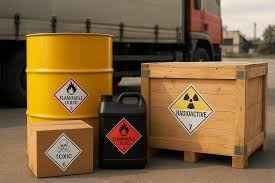
Dangerous goods logistics is the transportation of hazardous substances by Air, Sea, or Road thorough extreme precautionary measures. Dangerous goods, also abbreviated as DG, hazardous goods, or hazardous materials (HAZMAT) are any substances or materials capable of posing an unreasonable risk to health, safety, environment, and property when transported. Dangerous goods transportation through any route requires a lot of precautionary and safety measures as massive quantities of DG are transported each day through various modes.
9 Classes of Dangerous Goods:
-
- Explosives: Materials that can explode.
- Gases: Compressed, liquefied, or dissolved gases.
- Flammable Liquids: Liquids that ignite easily (e.g., gasoline, paint).
- Flammable Solids: Solids that ignite easily or release flammable gases.
- Oxidizing Substances: Substances that can cause or contribute to combustion.
- Toxic and Infectious Substances: Materials dangerous to life or containing pathogens.
- Radioactive Material: Materials that emit ionizing radiation.
- Corrosives: Substances that damage skin or cargo (e.g., acids).
- Miscellaneous Dangerous Goods: Goods not covered by 1-8, such as lithium batteries.
Key Aspects of DG Logistics:
- Classification: DG is classified into 9 distinct hazard classes by the United Nations (UN) and IATA based on their properties, including explosives, gases, flammable liquids/solids, oxidizing substances, toxic, radioactive, and corrosive materials.
- Documentation: Key documents include the Material Safety Data Sheet (MSDS), Dangerous Goods Declaration (DGD), and UN approval packaging certificates.
- Packaging and Labeling: Goods must use certified UN-approved packaging (primary, secondary, and tertiary) to withstand, pressure, temperature, and vibration. Proper hazard labels and UN numbers are mandatory.
- Specialized Handling: Only authorized, trained freight forwarders can manage the shipment of DG to ensure adherence to safety protocols.
- Modes of Transport:
- Air: Strictly regulated by IATA DGR and ICAO, often split into Passenger and Aircraft Cargo (CAO) or Cargo Aircraft Only (CAO).
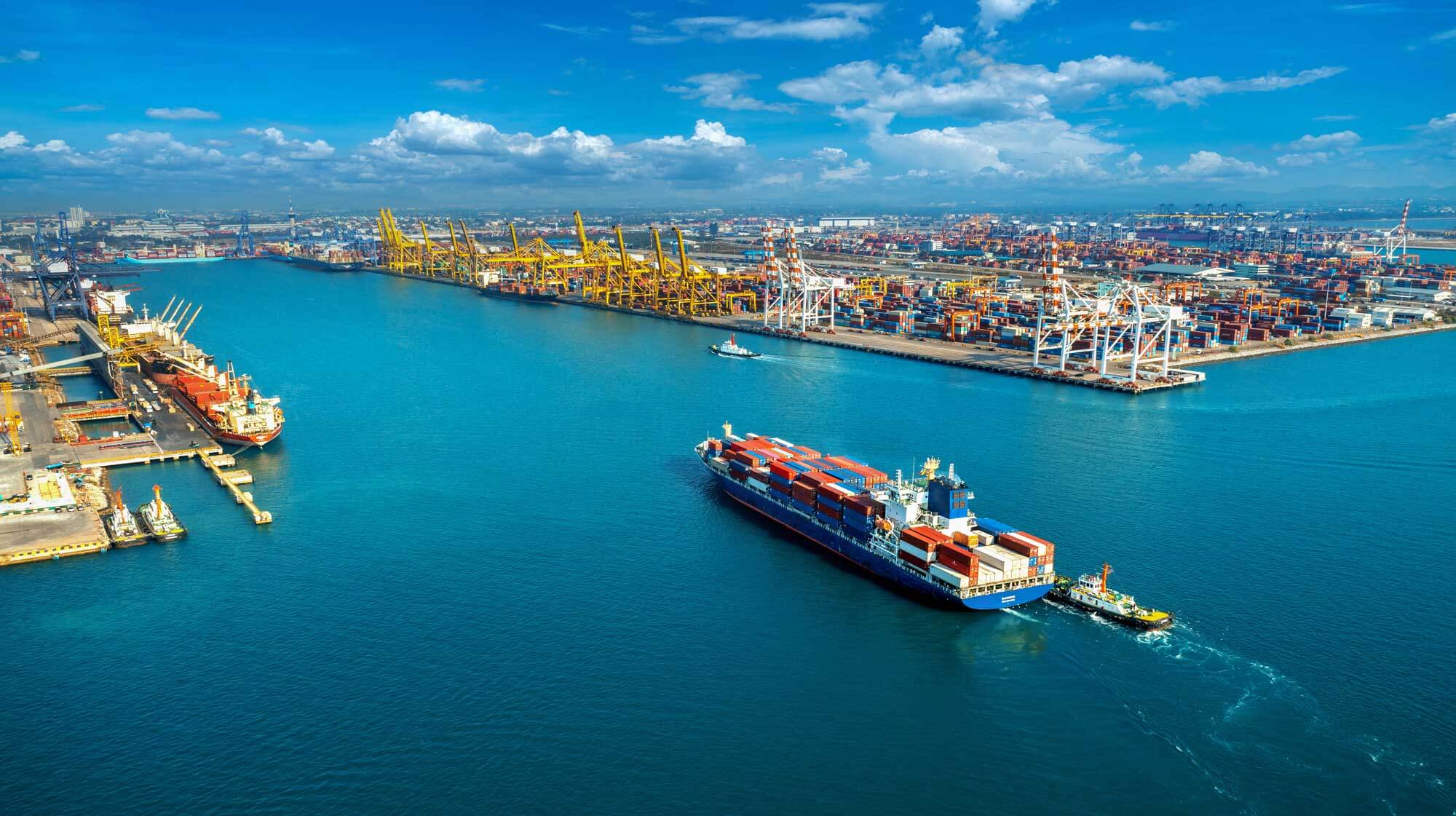
- Sea: Governed by the International Maritime Dangerous Goods (IMDG) Code.
- Road/Rail: Subject to national regulations, such as ADR in Europe.